Power reapers excel in paddy harvesting but struggle with short crops like moong, soya, and gram, while combine harvesters offer broader versatility and are seeing rapid market growth in India.
Key Differences:
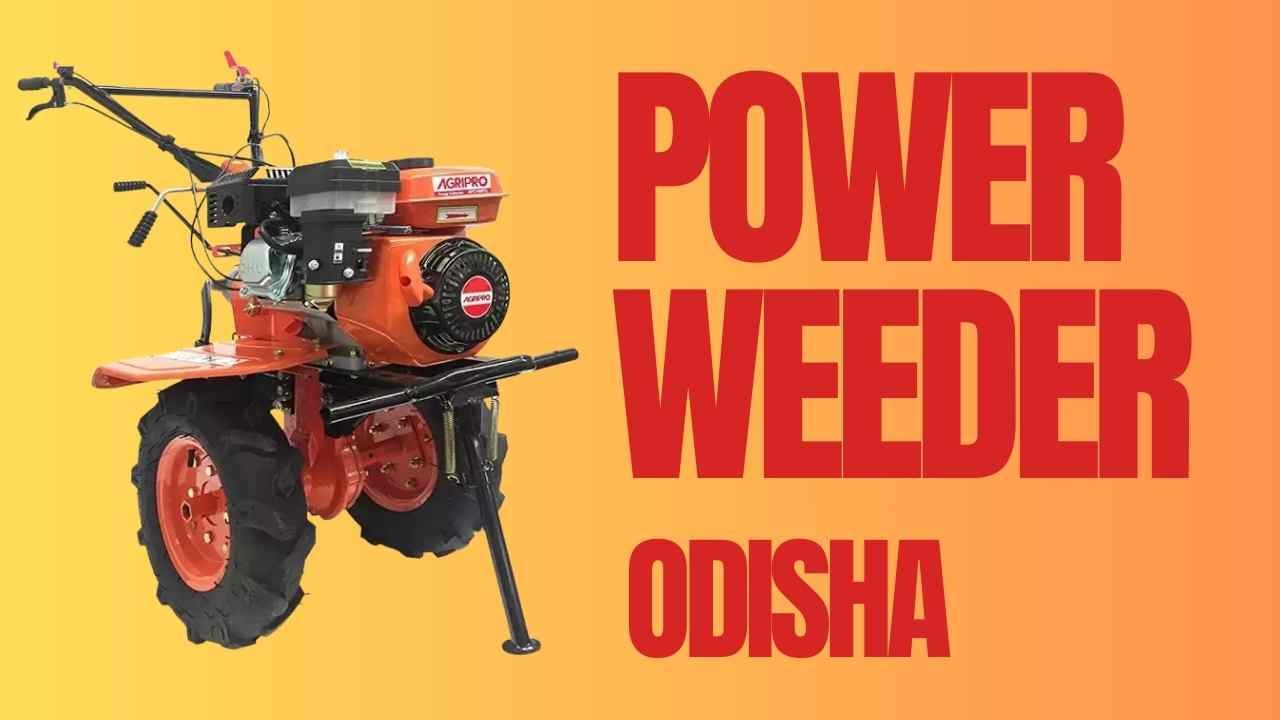
Power reapers are lightweight, walk-behind machines ideal for wet paddy fields, cutting and laying crops in windrows with low grain loss.They handle tall crops efficiently at 0.5 acres per hour but falter on short crops due to ground clearance issues.
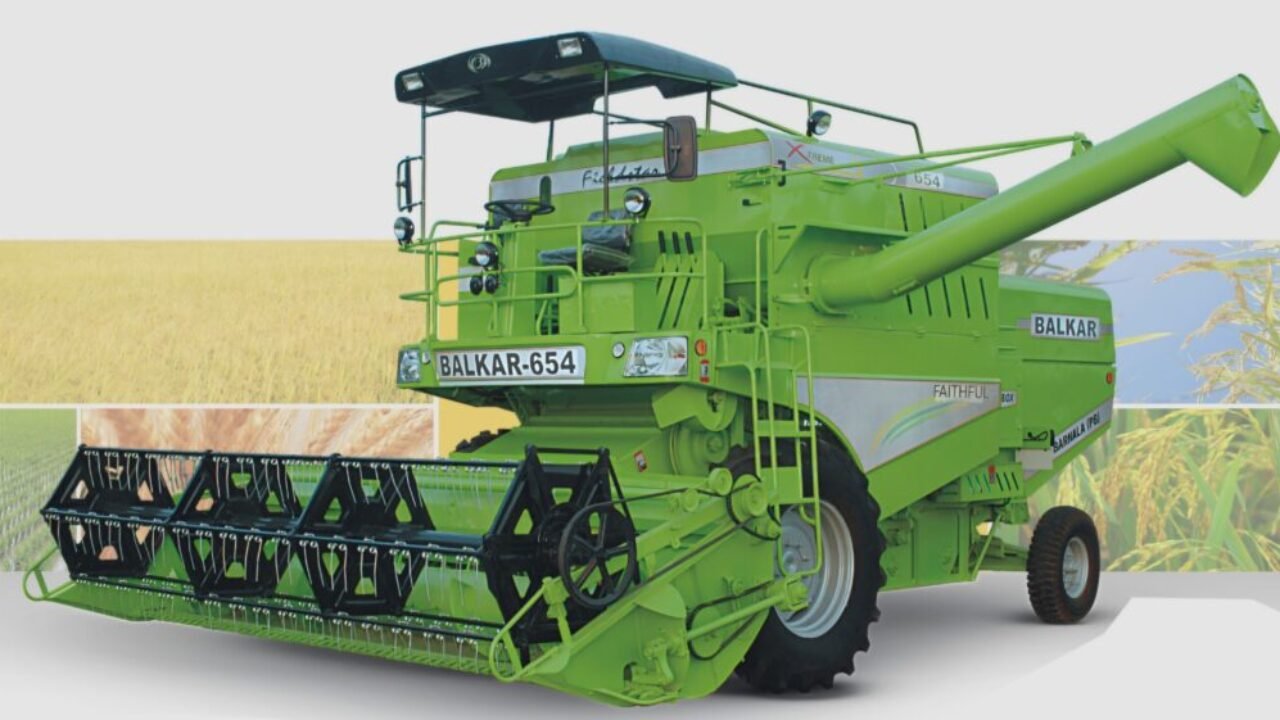
Combine harvesters, in contrast, reap, thresh, and clean in one pass, suiting multiple crops including short ones, with higher capacity at 25-50 acres daily.
Market Trends:
Harvester sales surged 56% year-over-year, from 9,266 units (Apr ’24-Jan ’25) to 14,507 (Apr ’25-Jan ’26), driven by rental demand for faster operations. Dealers favor harvesters for higher rented income despite longer use times, as they cover more area quickly. Power reapers see demand in small farms via subsidies, but lack comparable sales.
Top States:
Uttar Pradesh leads harvester sales (19.76% share Apr-Dec ’25), followed by Punjab (17.43%), Madhya Pradesh (13.23%), Maharashtra, Haryana, and Tamil Nadu.
Top Brands:
Kartar tops brands, with Vishal combines, John Deere, Malkit, and Preet etc.
Shift Implications:
Harvesters are replacing power reapers where speed matters, boosting dealer interest amid 5.64% CAGR projected to 2031.
Power reapers remain viable for paddy-focused smallholders (86% of farmers), but hybrid adoption or adjustments could address short-crop gaps.Rental models amplify harvester economics, yielding ₹10-15 lakh annually at 500 hours.
Choose Smart:
Reapers for paddy precision; harvesters for multi-crop speed and profit. Farmers, upgrade via subsidies—harvest smarter.