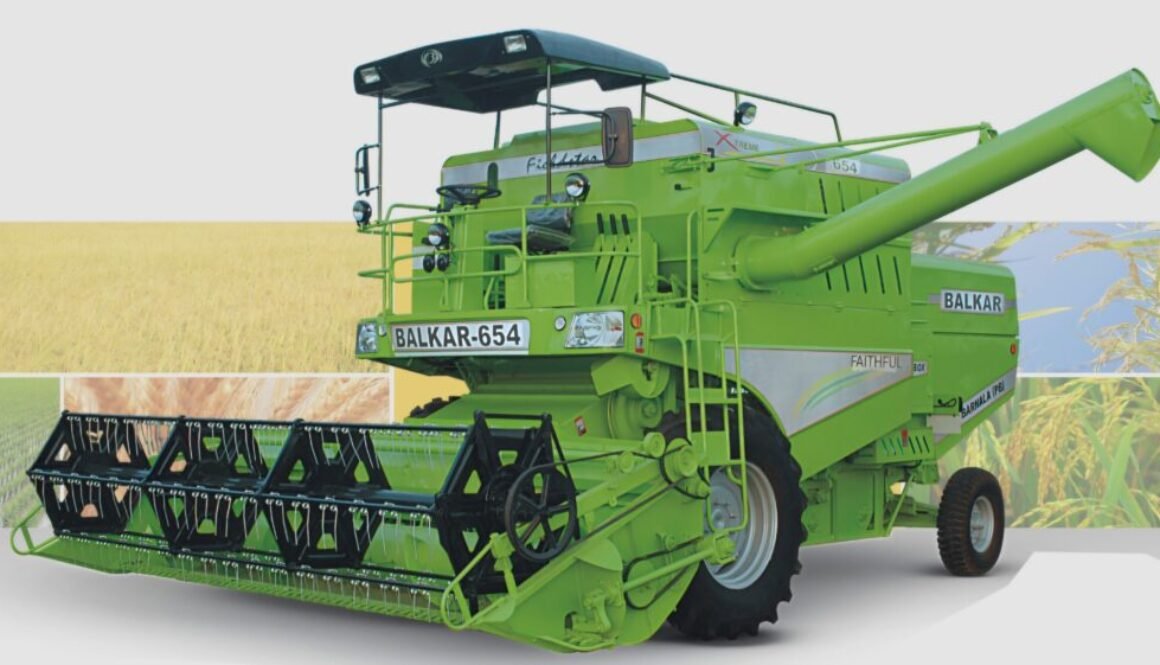
Power reapers excel in paddy harvesting but struggle with short crops like moong, soya, and gram, while combine harvesters offer broader versatility and are seeing rapid market growth in India.
Key Differences:
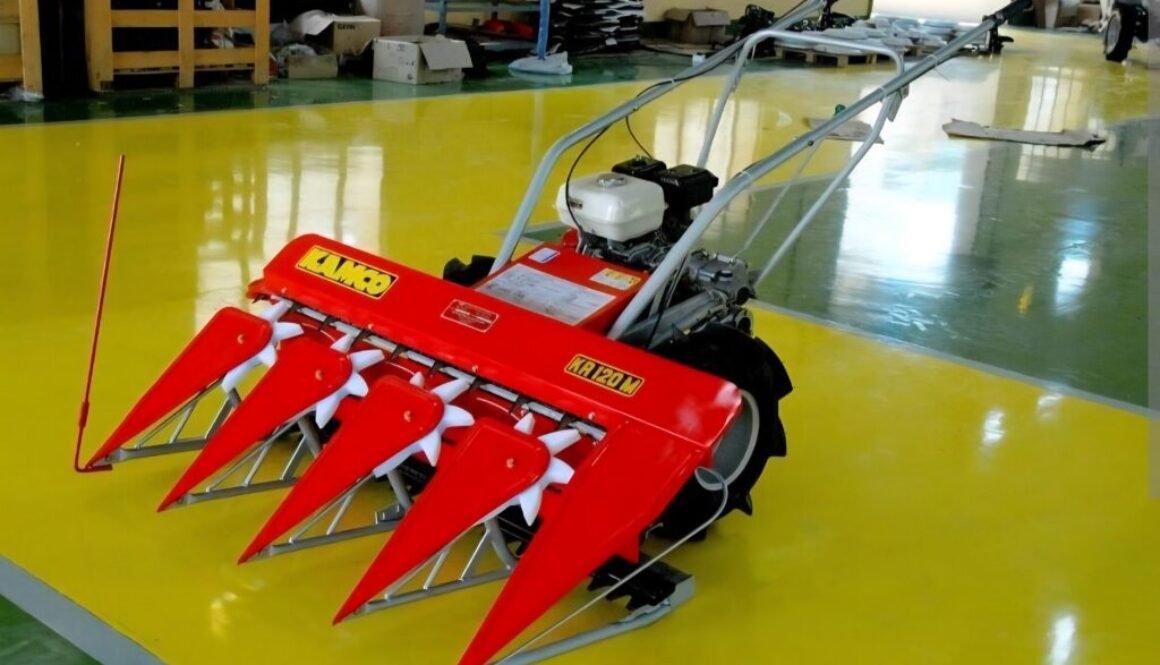
Power reapers are lightweight, walk-behind machines ideal for wet paddy fields, cutting and laying crops in windrows with low grain loss.They handle tall crops efficiently at 0.5 acres per hour but falter on short crops due to ground clearance issues.
Combine harvesters, in contrast, reap, thresh, and clean in one pass, suiting multiple crops including short ones, with higher capacity at 25-50 acres daily.
Market Trends:
Harvester sales surged 56% year-over-year, from 9,266 units (Apr ’24-Jan ’25) to 14,507 (Apr ’25-Jan ’26), driven by rental demand for faster operations. Dealers favor harvesters for higher rented income despite longer use times, as they cover more area quickly. Power reapers see demand in small farms via subsidies, but lack comparable sales.
Top States:
Uttar Pradesh leads harvester sales (19.76% share Apr-Dec ’25), followed by Punjab (17.43%), Madhya Pradesh (13.23%), Maharashtra, Haryana, and Tamil Nadu.
Top Brands:
Kartar tops brands, with Vishal combines, John Deere, Malkit, and Preet etc.
Shift Implications:
Harvesters are replacing power reapers where speed matters, boosting dealer interest amid 5.64% CAGR projected to 2031.
Power reapers remain viable for paddy-focused smallholders (86% of farmers), but hybrid adoption or adjustments could address short-crop gaps.Rental models amplify harvester economics, yielding ₹10-15 lakh annually at 500 hours.
Choose Smart:
Reapers for paddy precision; harvesters for multi-crop speed and profit. Farmers, upgrade via subsidies—harvest smarter.
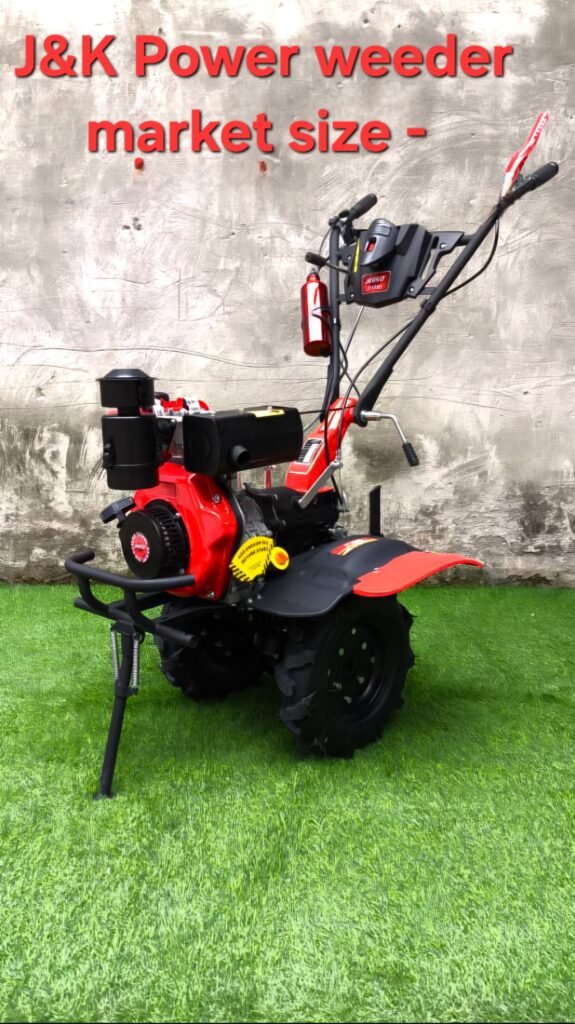
Jammu & Kashmir has emerged as an attractive 20,000+ unit power weeder opportunity, driven by rapid horticulture expansion, subsidy support and a strong but largely import-dependent dealer network.Market size and demand drivers.The estimated industry size of over 20,000 power weeders in the UT is realistic when mapped against the scale of apple, saffron, walnut and vegetable cultivation that now dominates many districts.
High-density apple plantations in Pulwama, Sophian, Baramulla and adjoining belts alone have converted hundreds of hectares in recent years, sharply boosting demand for compact mechanisation solutions for inter-row operations where tractors cannot enter.
Across the UT, over 270 dealers and sub-dealers is a reasonable working estimate when aggregating exclusive outlets, multi-brand agri centres, and motor/agro shops that now stock weeders along.Brand mix, imports and pricing behaviour.
The J&K power weeder market is overwhelmingly import-dominated, with 99%+ volume coming from Chinese and other imported platforms rebadged under local and regional brands, especially in the 5–9 hp petrol category.
These products position on aggressive pricing, often in the ₹25,000–₹40,000 range, supported by channel partners who push fast-moving models with attractive dealer margins.
Alongside this, a strong branded layer exists: Honda, Simpson, Shrachi, VST, Husqvarna, Stihl, Kirloskar and others are present through authorised dealers in Srinagar, Udhampur, Kupwara and Jammu, often combining power tillers and power weeders in their portfolio.These brands differentiate with better engine quality, parts availability and formal warranty, appealing to progressive orchardists in apple hubs who view mechanisation as a long-term investment rather than a one-season experiment.
Power weeders selling majorly dealers:
1. Dar tillers – Sopore
2. Pakiza motors – Magam
3. JK krishi – Srinagar
4. Wani agricultiure – Sopore
5. Swastik agro – Jammu
6. Dass agro – Pulwama
7. Zargar – Kulgam
8. KFC – Sopore
9. JK Tools – Sophian
10. Iqbal Agencies – Baramulla
The primary agronomic drivers for power weeders in J&K are:
Apple: traditional and high-density orchards requiring frequent weeding and soil loosening between rows.
Saffron and vegetables: labour-intensive intercultivation where farmers seek to cut labour cost and time.Walnuts and mixed fruit: small and fragmented orchards in hilly terrain where lightweight machines are preferred over full-size tractors.
Key product segments (HP wise)
The market is dominated by three broad segments aligned to field and crop conditions:
5 hp petrol weeders: used by small and marginal farmers in vegetables and light intercultivation; attractive because of lower initial price and easier handling.
7 hp petrol weeders: the volume driver segment for medium orchards and vegetable fields, balancing power, weight and cost; many multi-brand dealers.
9 hp diesel / mini tiller class: used for heavier soils, apple orchards on slopes and semi-commercial operations; overlaps functionally with “power tiller below 8 BHP / around 8–9 hp” category recognised in government mechanisation.
Government horticulture mechanisation guidelines clearly list “power tiller below 8 BHP” with 50% subsidy and “power tiller 8 BHP and above” with higher ceilings, which effectively covers many 7–9 hp power weeders and small tillers when configured with rotary attachments.
Subsidy ecosystem and active departments:Two departments are central for subsidy-led demand:
Horticulture Department: Under horticulture mechanisation, farmers receive support on power tillers/mini-tractors used in orchards, with substantial subsidy percentages for small and marginal growers, particularly in apple orchards.
Agriculture Department: Through schemes such as SMAM and Macro Management / RKVY, the Agriculture Department supports farm mechanisation including power tillers and weeding equipment, making power weeders accessible to open-field vegetable and saffron growers.Geography and dealer network.
Sales are heavily skewed toward high-value horticulture and vegetable districts in Kashmir valley.
Like : Pulwama, Anantnag, Kulgam, Shopian, Baramulla and pockets like Magam have become natural hotspots due to concentration of high-density apples, traditional orchards and vegetables.
Dealer directories show a dense presence of power weeder and tiller outlets in Srinagar, Jammu, Udhampur, Kupwara and other nodes, with many dealers catering to surrounding rural belts through sub-dealers and village-level influencers.
Overall, the J&K power weeder industry is transitioning from pure price-play imports to a more structured, subsidy-driven and brand-conscious market anchored in the rapidly modernising apple and horticulture economy of the valley.
n modern Indian agriculture, efficiency and productivity are the key to sustained growth. Power weeders have become one of the most practical innovations for farmers seeking better weed management, reduced labor dependence, and improved yields. Compact yet powerful, these machines are transforming field operations across India—from small vegetable plots to large paddy farms.
Key Benefits of Power Weeders
Superior Efficiency : Time is money in farming. Power weeders drastically cut the time required for weed removal while ensuring clean and uniform results. Their speed and precision outperform any manual operation.
Cost-Effective Investment : Though the initial cost may seem high, a power weeder quickly proves its worth by reducing labor expenses, minimizing chemical herbicide use, and improving crop yields.
Improved Soil Health : Power weeders not only uproot weeds but also aerate the soil. This enhances water absorption and root development, creating optimal conditions for plant growth.
Reduced Herbicide Dependency : In an era of growing environmental awareness, power weeders serve as an eco-friendly alternative, helping farmers maintain weed-free fields with minimal chemical use.
Lightweight and Soil-Friendly Design : Designed to be light, these machines avoid soil compaction, which preserves soil structure and fertility. Healthy soil translates directly into healthier crops.
Farmer-Friendly and Ergonomic
Modern brands like Simpsons, Kisan Kraft, George Maijo design their power weeders with farmer comfort in mind.
Easy handling and durable construction make them suitable for long hours in rugged conditions.
Low Maintenance Needs : These machines are built for endurance, requiring minimal upkeep. With fewer parts to replace or repair, operational downtime is drastically reduced.
Highly Economical Operation : Power weeders typically run for an hour at a cost of under ₹150. This outstanding efficiency makes them among the most cost-effective farming tools available today.
Versatile and Multi-Functional : Advanced features make modern power weeders highly adaptable:PTO Shaft: Enables additional tasks such as spraying or pumping.
Attachments: Compatible with accessories like cultivators, ridgers, and ditchers, allowing year-round usage across multiple crops and activities.
Breaking Myths About Power Weeders
Many Indian farmers still hesitate to adopt this technology due to common misconceptions:“It’s too expensive.” The long-term savings in labor and input costs make it a wise investment.“It’s hard to use.” Modern models are user-friendly, often accompanied by easy-to-follow manuals and demos.“It’s only for big farms.” Compact versions are ideal for small and medium farmers, making the technology affordable and accessible.
Testimany Success Stories : Across India farmers from various states have already experienced the transformation. A vegetable grower in states reported a 25-30% increase in yield after switching to a power weeder.
These success stories illustrate how embracing mechanized solutions can elevate rural livelihoods and strengthen India’s agricultural future.
Conclusion
Power weeders represent a smart step toward modern, sustainable, and profitable farming. As machine efficiency meets Indian resilience, farmers can expect better productivity, reduced expenses, and a cleaner, healthier approach to crop management.
Farming has always involved balancing the wisdom of traditional practices with the efficiency of modern innovation. The essence of agriculture may remain unchanged—the scent of tilled soil and the satisfaction of a healthy crop—but the way farmers cultivate their fields has evolved dramatically.
In today’s mechanization agricultural machinary such as power weeders are reshaping how farmers manage weeds and save both time and money.Manual Weeding: Tradition with LimitationsFor generations, manual weeding has been the go-to method for controlling unwanted plants in farmlands.
Farmers have relied on tools like sickles and hoes, or even their bare hands, to pull out weeds. While this technique allows for careful attention to each crop, it is slow, labor-intensive, and physically draining. India, one laborer typically takes 7–9 hours to weed a single acre of farmland manually. Because weeds grow multiple times during a crop cycle, this process must be repeated several times throughout the season.
Additionally, the cost of hiring labor has risen substantially, averaging Rs 350 – 550 per person per day, depending on the region. With two or more workers needed for an acre, labor expenses can become a heavy burden, especially for small and medium-scale farmers. Seasonal labor shortages worsen the problem, often delaying crucial weeding operations and reducing yields.Power Weeders: Modern Solutions for Modern NeedsPower weeders have emerged as a practical alternative to manual weeding, providing both speed and precision. These machines operate using petrol, diesel, or battery power and are designed to remove weeds between rows without harming the crop.
Compact and easy to handle, they are suitable for a wide range of crops such as paddy, maize, sugarcane, and vegetables.One of the biggest advantages is the significant reduction in time. A power weeder can cover an acre of land in just 3 hours—nearly four times faster than manual labor. It also requires only one operator, drastically cutting labor dependency.
Farmers can schedule timely weeding operations, ensuring crops get uninterrupted access to nutrients, sunlight, and water. Clean fields further ease harvesting, reducing crop loss and post-harvest cleaning efforts.While a power weeder requires an initial investment, the savings over time are considerable. The running cost mainly involves fuel, lubricants, and routine maintenance, typically around Rs 200 per acre. Over a crop season, this translates to enormous savings compared to hiring multiple workers for repeated weeding.The Problem with Manual WeedingManual weeding, though time-tested, remains one of the most labor-intensive and time-consuming farm tasks. It demands constant physical effort, bending, and hand-pulling under harsh conditions.
A single person can cover only a small area in a full day of work.The Final WordPower weeders are transforming weed management from a slow, labor-heavy process into a quick, efficient, durability and affordable operation. Beyond saving time and money, they help farmers maintain healthier crops and achieve better yields.
For the modern Indian farmer, investing in a power weeder is not just about convenience—it’s about long-term sustainability and profitability
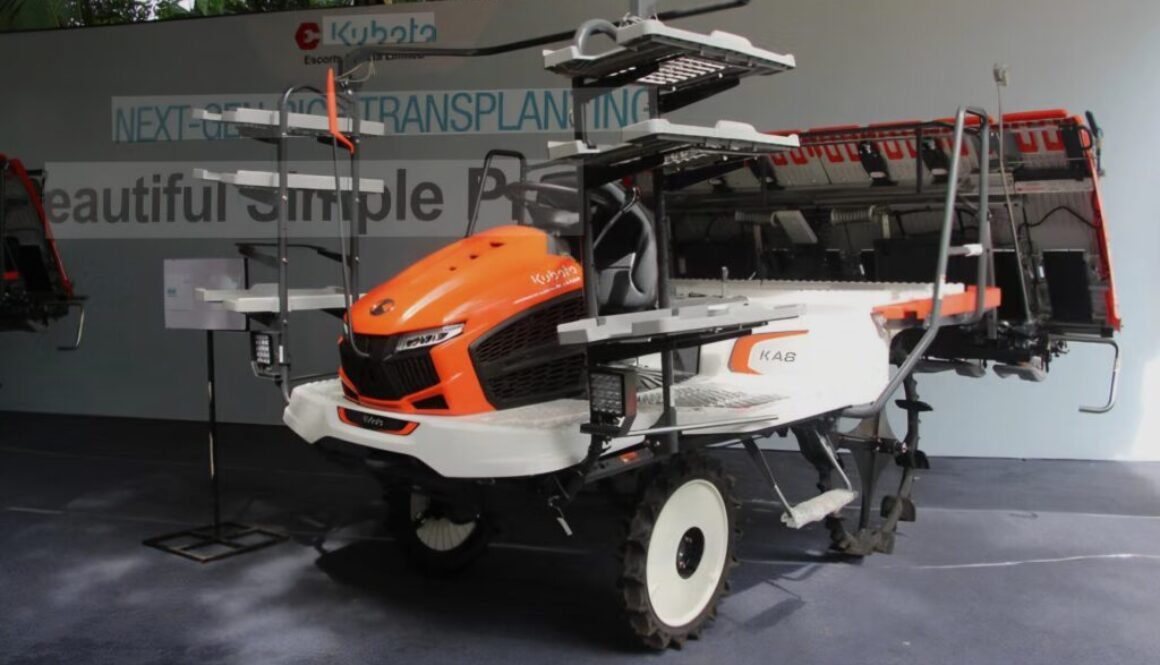
Escorts Kubota Limited a prominent name in India’s agricultural machinery , tractors and engineering landscape, has set a new benchmark in precision farming by launching its third-generation Ride-On Rice Transplanters – KA6 and KA8, under the Kubota brand on November 18, 2025. Engineered in Japan and tailored for the dynamic needs of Indian farmers, these machines directly address the labor, productivity, and field management challenges of modern paddy cultivation, offering robust technological advancements and improved agronomic outcomes.
The KA6 and KA8 represent EKL’s commitment to integrating global engineering with local requirements. KA6 is powered by a 21 HP Kubota engine, while the KA8 boasts 24HP , both designed for fuel efficiency and consistent performance in challenging paddy conditions. These models are being introduced across seven rice-growing states – Tamil Nadu, Punjab, Odisha, Madhya Pradesh, Andhra Pradesh, Kerala, and Telangana – where farmer demand for mechanized paddy solutions is surging due to chronic labor shortages and the pursuit of higher productivity. Above states is very potential for using transplanters.
some of competitiors also playing vital role in transplanters segments.
A standout feature is the smart turning system, which enables smoother handling and operation even on uneven fields.
The automatic lift function simplifies cornering, reducing downtime and operator fatigue. This ergonomic focus is further complemented by a multifunction control lever and horizontal control mechanism that ensures uniform planting depth – a critical factor for crop stand and yield uniformity. Additionally, the planting claws have been entirely redesigned, significantly reducing missed plantings and ensuring evenly spaced seedlings, which helps boost plant growth and final yieldsOperational comfort and efficiency are pivotal in these new models. While earlier generations solved basic transplanting needs, the KA6 and KA8 offer a more refined operator experience with a spacious platform, lighting for extended hours, lighter planting sections for easy field crossing, and a longer wheelbase for increased stability in wet conditions.
The KA6 model, for instance, offers six rows planted in a single pass, adjustable row spacing, and transplanting depth control to suit various field conditions. The four-wheel-drive system and hydraulic steering ensure ground adherence and operational safety, even while crossing ridges or operating in muddy fields.Estimates suggest Kubota transplanters can be 20 times more efficient than manual transplanting, highlighting their economic and time-saving advantages for large-scale paddy growers.As mechanization penetrates deeper rural markets, the KA6 and KA8 models signal Escorts Kubota’s strategic push for technologically advanced, operator-friendly solutions aligned with India’s move towards sustainable, high-yield agriculture.
This launch sets a precedent for future rice planting mechanization, ensuring that farmers benefit from Japanese engineering’s hallmark precision, reliability, and operational excellence – truly empowering Indian paddy growers for the next decade
Adoption of power weeders is rising in India, driven by government support, changing labor dynamics, and the need for cost-effective mechanization. As demand for efficient, sustainable agriculture grows, power weeders help farmers maintain productivity—even with shrinking plots and limited resources. The versatility, affordability, and ease of operation make the power weeder an indispensable tool in the evolution of Indian farming.
What is a Power Weeder?
Power Weeder: Basically it means it is removing the weeds by using the power. Weeder it means “power is the source from engine” & “weeds means the unwanted material in the farm”
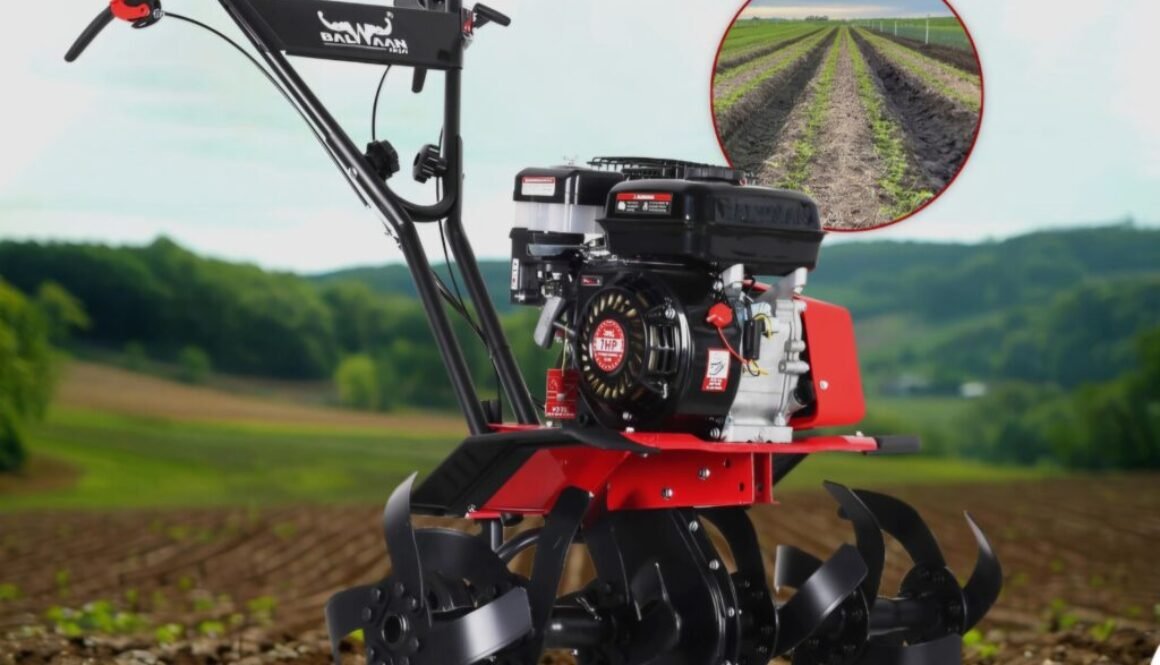
1) A power weeder removes weeds using engine power, making farm operations less labor-intensive and more efficient and pulverizes the soil, promoting healthy crop growth after planting.Common power output for power weeders ranges from 1 hp to 8 hp (0.7 kW to 6 kW), though some models in the market offer up to 9 hp or 10 hp.
Reasons Farmers Buy Power Weeders:
2) Marginal farmers often cannot afford tractors due to high costs or limited access to rental options, and a power weeder is a more affordable solution.
3) Labor scarcity and rising wages make mechanized alternatives attractive, especially during peak seasons.
4) Implements for power weeders include ploughs, ridgers, furrow openers, seed drills, cultivators, potato diggers, reaper units, trailers, water pumps, alternators, threshers, and cage wheels.
5) Power weeders are ideal for inter cultivation in crops like sugarcane, ginger, and turmeric, flowers, vegetables where large machines struggle.
6) They have lower maintenance costs and are simple enough for anyone, including women, to operate.
Government subsidies make power weeders more accessible for small farmers.
Types of Power Weeders:
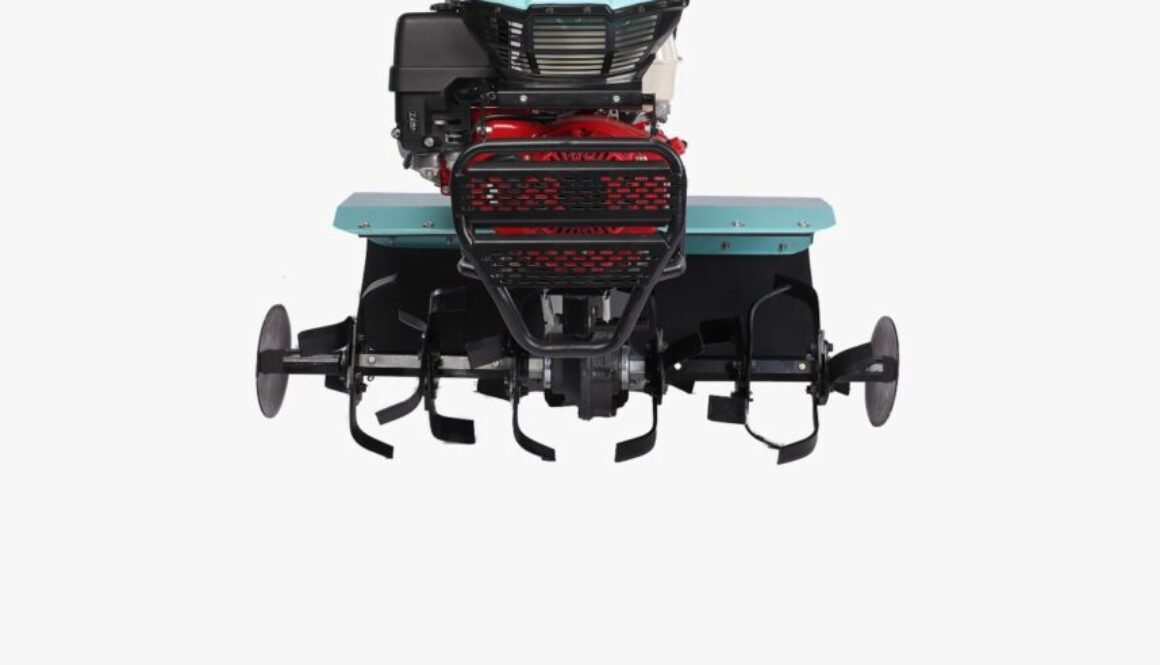
7) Center Rotary: Blades are centered, offering balanced soil cultivation.
8) Back Rotary: Blades are located at the rear, suitable for narrow pathways.
9) Front Rotary: Blades are in front, handy for surface-level work and maneuverability.
Functions of Power Weeders:
10) Pre-sowing tillage and ploughing.Weed removal and inter-crop cultivation.Spraying chemicals and fertilizers.
11) Attachment compatibility: M.B. ploughs, ridgers, HTP, water pumps, seed drills, trailers, reaper units, and various blades.
Key Features:
12) Best suited for crops where tractors can’t function easily, such as sugarcane, ginger, and turmeric.
13) Easy to operate for both men and women.
14) Can be transported from home to farm with minimal effort.
15) Handle can rotate up to 180 degree and adjust in height for user comfort.
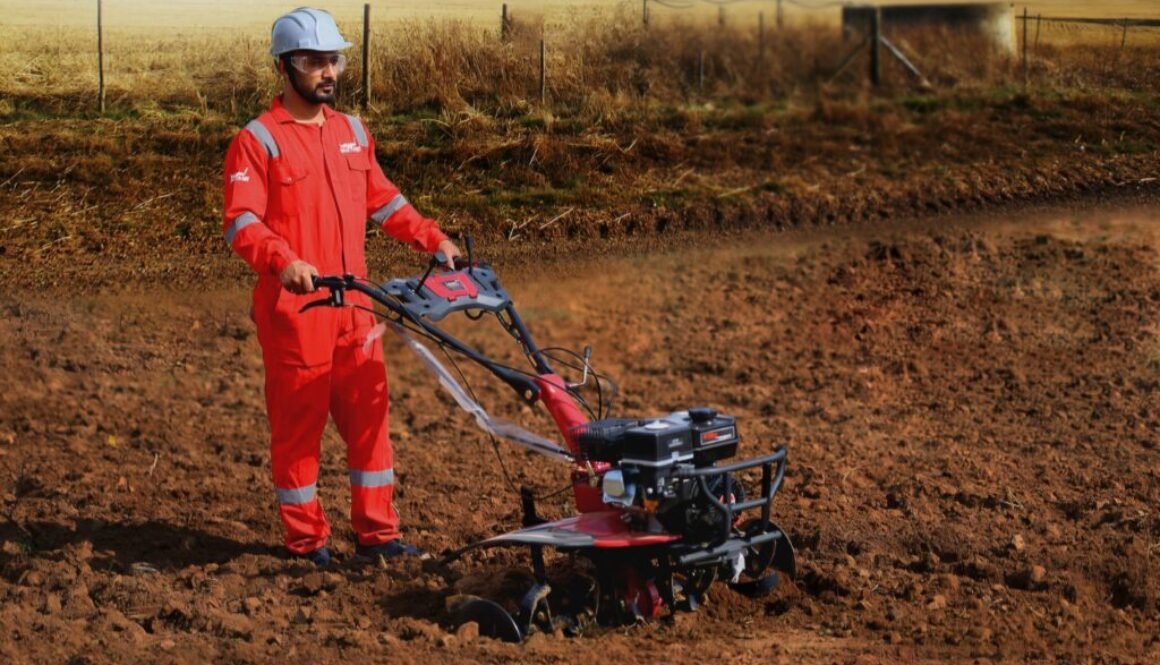
Power weeder is specially designed for inter cultivation or inter crop weeding where Tractor or Power Tillers are easily not work.
There are three types of power weeder such as Center Rotary, Back Rotary & Front Rotary.
Low maintenance cost andone person (either man or woman) can easily operate.
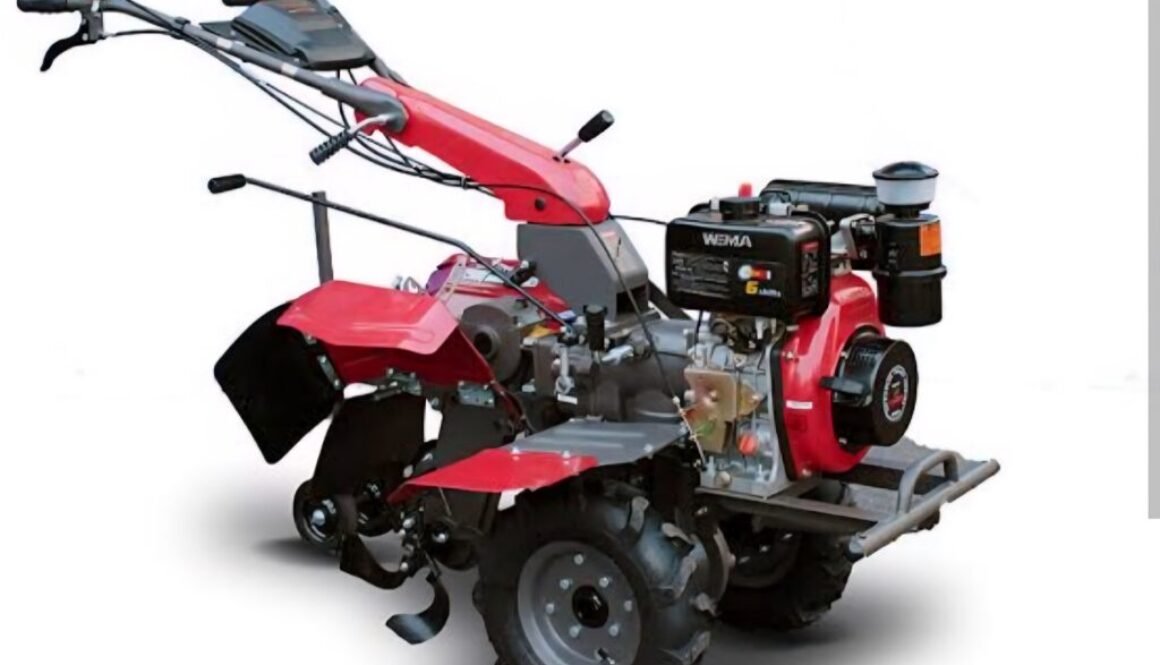
The adoption of diesel-powered back rotary weeders, particularly in the 9HP segment from brands like George Maijo and Kirloskar, has become prominent in sugarcane cultivation due to their high efficiency, suitability for tough field conditions, government subsidy support, and overall farmer trust in diesel technology.
Diesel vs Petrol Power Weeder Adoption: Petrol power weeders are less adopted in sugarcane mainly because:
1) Diesel models offer more consistent power and torque, essential for handling dense sugarcane fields, especially in the 8-9HP range.
2) Government subsidies are generally available for diesel variants, making them more accessible and cost-effective for farmers.
3) Farmers have greater trust in diesel engines for heavy-duty work.
4) Diesel back rotary weeders are priced around ₹80,000–₹85,000, making them economically viable for most end users, compared to petrol rotary weeders from brands like BCS and Simpson that often exceed ₹1 lakh.
Price Sensitivity and Acceptance
5) The end-user price for diesel back rotary weeders is widely accepted among sugarcane growers at approximately ₹80,000, aligning well with their economic expectations and field needs.
6)Petrol variants are less popular due to higher prices and lower power, despite similar field operations capability.
Role of Sugar Mills and Cropping Pattern
7) Sugar mills actively promote diesel back rotary weeders due to their productivity, ease of use in different sugarcane row spacings (from traditional 2 feet to current 3-4 feet), and strong performance in field demonstrations and awareness programs
8) Mechanical weeding using power weeders or mini-tractor rotavators reduces labor needs, saves costs (by up to 70% over manual methods), increases yields, and is encouraged for wider row patterns that also allow for multi-cropping.Benefits of Wider Row Cropping Patterns
9) Wider spacings (3–4 feet) in sugarcane not only support better power weeder operation but:Improve cane height and weight, benefiting farmers by increasing productivity and crop quality.
10) Enable intercropping, further boosting farm income and resource useThe adoption of power weeders allows both efficient weeding and soil aeration, enhancing the environment for sugarcane and associated crops.Adoption of diesel back rotary weeders in sugarcane is thus driven by power, cost, government policy, and farmer confidence, with sugar mills further reinforcing best practices and mechanization standards in changing cropping patterns.
Chattisgardh also known as Rice bowl of central india Jeeraphool rice is an ancient, indigenous, aromatic, and short-grained rice variety mainly grown in the Indian states of Chhattisgarh. It is a common and widely cultivated crop in District of Chhattisgarh in Ambikapur, Korea, Rajnandgaon, surajpur, Lakhanpur, Udaipur, Sitapur, Batauli, Lundra and Mainpat.
Major paddy production – 15 million metric tones expected in 2025. Harvesting started from early staeted on October as compare to other states.For harvesting Majorly used power reaper self propelled due to less labour and govt subsidy support in that states.In Chattisgarh states above districts approx 1000 – 1200 nos for power reaper using harvesting.Very huge scope for power reapers sold in Chattisgarh in paddy crops.
Every years 10-12% industry growing for power reapers using in that states Why not big harvester using in chattisgadh because land holdings small , charges are high , waiting time and major specific reason for not using harvester – harvester cutting crops above 3-4 inches and wastages happen but in reaper side cutting 1-2 inches
Use of Power Reapers in Chhattisgarh
Power reaper machines, especially self-propelled variants, are increasingly prevalent in Chhattisgarh for paddy harvesting due to:Labor Shortages: Mechanization bridges the gap created by limited seasonal labor availability.Government Subsidies: State government incentives and subsidies make power reapers financially attractive to small and marginal farmers.Operational Efficiency: Approximately 1,000–1,200 power reapers are actively employed in the mentioned districts, underscoring their adoption.Market Growth: The power reaper industry in Chhattisgarh is expanding at an annual rate of 10–12%, pointing to robust demand and future market potential.
Advantages over Big Harvesters
Large combine harvesters are seldom used in Chhattisgarh’s paddy cultivation because:Small Land Holdings: Fragmented and irregularly shaped fields limit maneuverability for big machines.High Custom Hiring Charges: The cost per acre for such machines is relatively high and unaffordable for small farmers.Waiting Time: Limited availability and increased demand during peak season often result in long waiting periods.Cutting Height and Grain Loss: Big harvesters typically cut crops at 3–4 inches above the ground, leading to higher stubble and grain wastage. In contrast, power reapers can cut closer at 1–2 inches, minimizing waste and maximizing recoverable grain yield.
Strengthening IndiaIndia’s agricultural sector witnessed a major development this week as Union Agriculture and Farmers Welfare Minister Shri Shivraj Singh Chouhan inaugurated the National Seeds Corporation’s (NSC) new, advanced vegetable and floral seed processing facility at Delhi’s Pusa Complex. Along with this flagship centre, the Minister also virtually inaugurated five new NSC facilities located in Bareilly, Dharwad, Hassan, Suratgarh, and Raichur.
These projects represent a transformative step in strengthening India’s seed value chain through modern technology and digital integration.The new facilities form the backbone of a nationwide effort to create a dynamic, high-quality seed production and distribution ecosystem. Combined, they will enhance the efficiency of processing, packaging, and certification of seeds across multiple agro-climatic regions.
This expansion aligns with the government’s objective of ensuring that every farmer, whether large-scale or smallholder, has access to reliable and improved seed varieties that can withstand the challenges of modern farming and climate variations.At the launch event, Minister Chouhan emphasized that seeds are the most vital input in agriculture. Quality seeds determine the success of crops, influence productivity, and directly impact farmer income. By developing these technologically advanced seed plants, the government is ensuring that farmers gain access to certified, high-germination seeds equipped for local conditions.
Such quality assurance is essential for achieving higher yields and improving profitability at the farm level.One of the key highlights of the initiative is the integration of digital solutions under the new “Seed Management 2.0” framework. This system introduces transparency, traceability, and ease of doing business across seed supply operations. Through the online seed booking platform, farmers can now conveniently order seeds from NSC directly, avoiding intermediaries and delays. The digital mechanism also simplifies the certification process, enhances accountability, and supports better inventory management across regions.
Seed Management 2.0 is designed to bridge the gap between technology and grassroots farming. It supports the government’s larger Digital Agriculture Mission by combining data management tools, automation, and real-time connectivity to improve service delivery. The digital interface enables farmers to make more informed decisions about the selection and purchase of improved seed varieties suited to their soil and cropping systems.In his address, Minister Chouhan reiterated the government’s commitment to strengthening farmer welfare and productivity. He noted that improved seed quality lies at the very beginning of the agricultural value chain. By providing timely access to tested and certified seeds, India is laying the foundation for sustainable agricultural growth and self-reliance.
The establishment of these new facilities also creates employment opportunities, stimulates regional seed industries, and supports local economies through increased demand for seed-based agri-services.With the launch of Seed Management 2.0, India has taken a decisive step toward modernizing its seed infrastructure while embracing digital governance. This integrated approach combines innovation, quality assurance, and accessibility, ensuring that the benefits of progress reach farmers in every corner of the country. It is a vision of agricultural transformation—empowering farmers, strengthening India.
Maintenance & Parts: In remote rural areas, obtaining timely service and spare parts for power weeders can be challenging and expensive, leading to extended downtime for the machine.
Crop Damage Risk: Precise and slow operation is necessary to avoid damaging the crops, especially when weeds are between crop rows
Hilly and Haphazard Planting: Power weeders are less practical in hilly or irregular terrain and are also limited by haphazard crop planting patterns, which makes them difficult to use between rows.
Engine Starting Problems: Common issues include difficulties starting the engine due to stale fuel, spark plug problems, or a dirty air filter.
Excessive Vibration: Unusual or excessive vibration during operation can cause discomfort to the operator and may signal underlying mechanical problems.
No Load-Carrying Capacity: Unlike power tillers, weeders cannot be used for transportation or trailer attachment, reducing their multi-purpose value.
Less Suitable for Large Fields: For medium to large landholdings, the time and effort required to cover the area with a small power weeder may be inefficient compared to a power tiller or tractor.
Field Operation Challenges : Power weeders require careful and precise operation, especially in fields with crops planted in narrow rows. Unlike manual weeding, where human judgment prevails, the mechanical tines or blades of a weeder can easily harm young plants if not operated slowly and attentively. The risk of crop damage is particularly high when weeds grow between crop rows
Mechanical Issues and Operator Comfort : Engine-related technical problems are common, especially starting difficulties caused by stale or low-quality fuel, spark plug fouling, or clogged air filters. These issues can be frustrating, particularly for operators who lack mechanical training. Regular maintenance is essential, but inadequate awareness and poor servicing infrastructure compound the problem, leaving machines idle in critical periods. Excessive vibration during operation is another drawback, causing discomfort and increasing fatigue for the operator.
Tamil Nadu Expands Paddy Storage Capacity to Strengthen Procurement and Farmer SupportTamil Nadu has significantly expanded its paddy storage capacity to over 7 lakh metric tonnes, marking a major step toward improving agricultural infrastructure and strengthening farmer support mechanisms. The move is aimed at ensuring smooth procurement operations during the state’s crucial Kuruvai and Samba cropping seasons—periods when paddy production peaks and procurement operations are most intensive.
The state government emphasized that the enhanced storage network will play a pivotal role in managing large volumes of paddy harvested during these peak seasons. Adequate storage capacity helps prevent post-harvest losses and ensures that procurement operations proceed without interruption.
This development will provide a more reliable market avenue for farmers while helping stabilize rice supply and prices across the state.Officials noted that timely and streamlined procurement is a critical part of Tamil Nadu’s broader agricultural policy. By increasing storage capacity, the state aims to ensure that farmers are paid on time and that grain movement from farms to procurement centers remains efficient.
Such infrastructure improvement minimizes the risk of distress sales and reinforces farmer confidence in government procurement processes.The expanded capacity is also part of Tamil Nadu’s wider modernization drive within the agriculture sector. With the government promoting digital interfaces, logistics coordination, and quality management in paddy procurement, improved storage will serve as the backbone for these initiatives.
The integration of modern silos and scientifically managed godowns will help maintain grain quality for longer durations, ensuring food security across public distribution networks.
From a market perspective, this infrastructure expansion addresses one of the key challenges in the agricultural value chain—price volatility. With sufficient storage availability, the state can regulate paddy offloading and rice supply, cushioning farmers and consumers from sudden price fluctuations.
The resulting price stability not only upholds farmer income but also benefits consumers by maintaining affordability in the rice market.Farmer associations have welcomed the state’s initiative, describing it as a timely move ahead of the Kuruvai and Samba harvests. They believe the revamped storage network will significantly reduce uncertainties related to market access, helping farmers secure fair pricing and plan upcoming cropping cycles with greater confidence.
A dependable procurement and storage system offers the assurance that harvests will be efficiently managed, eliminating post-harvest bottlenecks and fostering higher productivity.Experts note that such measures align with Tamil Nadu’s larger goal of agricultural sustainability. By focusing on post-harvest management, storage modernization, and logistical efficiency, the state not only supports short-term procurement stability but also lays the groundwork for long-term farmer welfare and food system resilience.With this expansion, Tamil Nadu continues to consolidate its position as one of India’s most progressive states in agricultural infrastructure development, demonstrating how planned investments in storage capacity can directly translate into enhanced farmer support, economic stability, and robust food supply management.