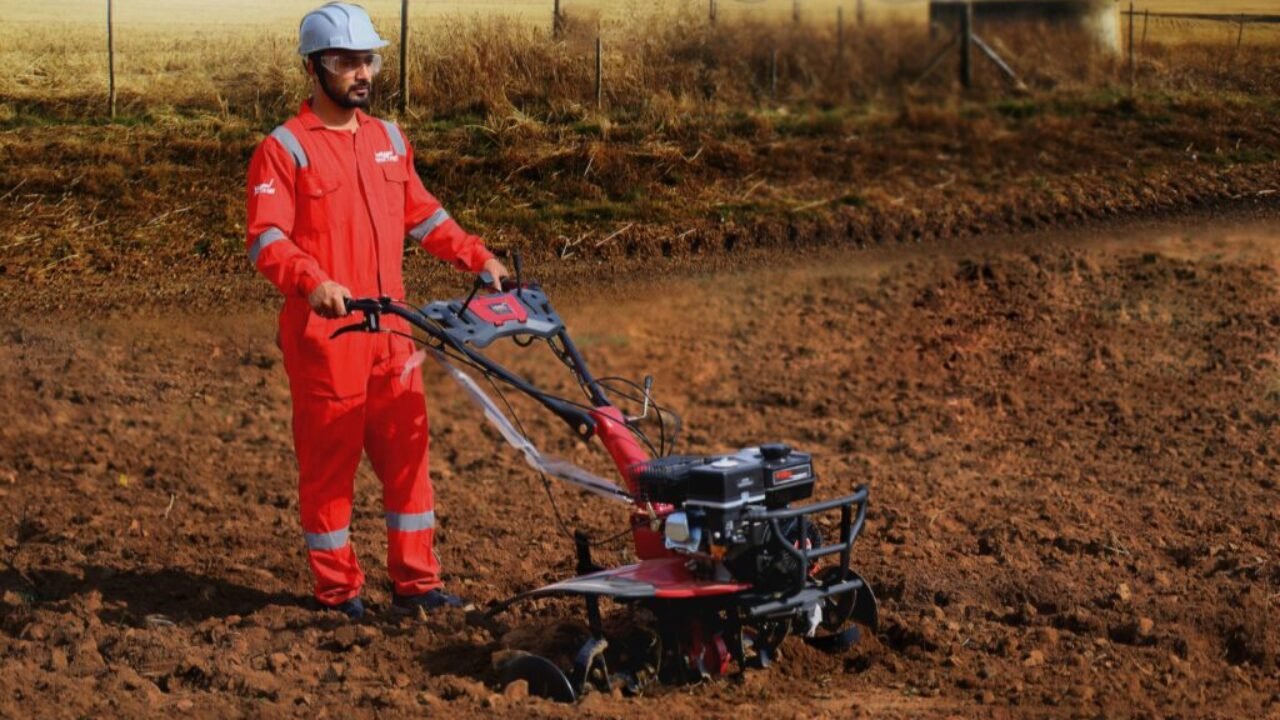
Farming has always involved balancing the wisdom of traditional practices with the efficiency of modern innovation. The essence of agriculture may remain unchanged—the scent of tilled soil and the satisfaction of a healthy crop—but the way farmers cultivate their fields has evolved dramatically.
In today’s mechanization agricultural machinary such as power weeders are reshaping how farmers manage weeds and save both time and money.Manual Weeding: Tradition with LimitationsFor generations, manual weeding has been the go-to method for controlling unwanted plants in farmlands.
Farmers have relied on tools like sickles and hoes, or even their bare hands, to pull out weeds. While this technique allows for careful attention to each crop, it is slow, labor-intensive, and physically draining. India, one laborer typically takes 7–9 hours to weed a single acre of farmland manually. Because weeds grow multiple times during a crop cycle, this process must be repeated several times throughout the season.
Additionally, the cost of hiring labor has risen substantially, averaging Rs 350 – 550 per person per day, depending on the region. With two or more workers needed for an acre, labor expenses can become a heavy burden, especially for small and medium-scale farmers. Seasonal labor shortages worsen the problem, often delaying crucial weeding operations and reducing yields.Power Weeders: Modern Solutions for Modern NeedsPower weeders have emerged as a practical alternative to manual weeding, providing both speed and precision. These machines operate using petrol, diesel, or battery power and are designed to remove weeds between rows without harming the crop.
Compact and easy to handle, they are suitable for a wide range of crops such as paddy, maize, sugarcane, and vegetables.One of the biggest advantages is the significant reduction in time. A power weeder can cover an acre of land in just 3 hours—nearly four times faster than manual labor. It also requires only one operator, drastically cutting labor dependency.
Farmers can schedule timely weeding operations, ensuring crops get uninterrupted access to nutrients, sunlight, and water. Clean fields further ease harvesting, reducing crop loss and post-harvest cleaning efforts.While a power weeder requires an initial investment, the savings over time are considerable. The running cost mainly involves fuel, lubricants, and routine maintenance, typically around Rs 200 per acre. Over a crop season, this translates to enormous savings compared to hiring multiple workers for repeated weeding.The Problem with Manual WeedingManual weeding, though time-tested, remains one of the most labor-intensive and time-consuming farm tasks. It demands constant physical effort, bending, and hand-pulling under harsh conditions.
A single person can cover only a small area in a full day of work.The Final WordPower weeders are transforming weed management from a slow, labor-heavy process into a quick, efficient, durability and affordable operation. Beyond saving time and money, they help farmers maintain healthier crops and achieve better yields.
For the modern Indian farmer, investing in a power weeder is not just about convenience—it’s about long-term sustainability and profitability